
Why Fish Die During a Florida Freeze — And What Your HOA Can Do Next
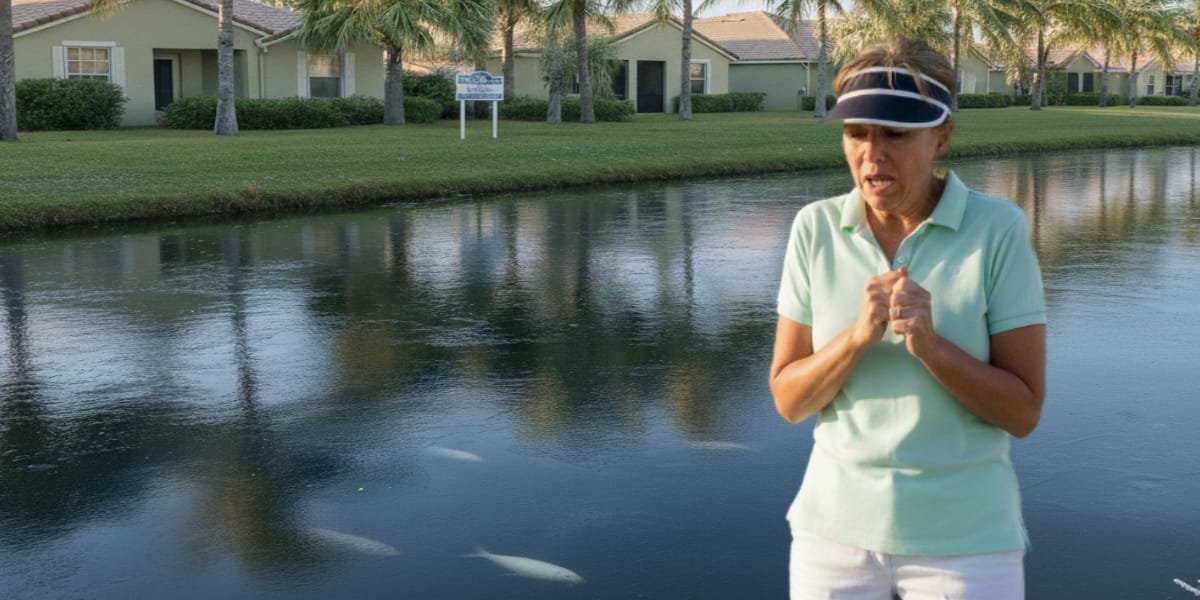
When a cold snap hits Tampa Bay, one of the first visible problems many HOAs notice is dead fish along the shoreline. Residents start asking questions. Complaints roll in. Board members worry about water quality, health risks, and whether the pond is "failing."
In reality, most freeze-related fish kills in Florida are not a sign of neglect. They are the result of biology colliding with unusual weather. What matters most is how an HOA responds in the days and weeks that follow.
This article explains why fish die during Florida freezes, what HOA boards and property managers should do immediately, and how professional lake and pond management helps communities recover and prevent repeat events.
Why Freezes Hit Florida Fish So Hard
Fish living in Florida community ponds are adapted to warm, stable water temperatures. Unlike northern climates, Florida ponds are not designed for prolonged cold, and neither are the species that inhabit them.
When freezing weather arrives, several things happen at once:
Water temperatures drop faster than fish can physiologically adjust
Plant and algae activity slows or collapses
Dissolved oxygen levels fluctuate unpredictably
Fish experience acute stress that weakens immune response
This combination is especially dangerous when cold nights arrive suddenly after a warm fall or early winter.
Fish Species Most Commonly Affected in Tampa Bay
In Hillsborough, Pinellas, and Pasco counties, freeze-related fish kills most often impact:
Tilapia
Koi and ornamental carp
Grass carp used for vegetation control
Tropical or hybrid stocking species
Game fish such as bass and bluegill may survive mild freezes, but they can still suffer stress-related losses if oxygen levels drop or if cold persists.
How Cold Weather Triggers Fish Kills
Contrary to popular belief, fish usually do not die because the water is "too cold." They die because cold disrupts oxygen balance.
Oxygen Stress Explained
During normal conditions:
Algae and aquatic plants produce oxygen during daylight
Aeration and fountains circulate oxygen through the water column
Fish respiration remains balanced
During a freeze:
Photosynthesis slows dramatically
Decomposition of organic matter continues
Oxygen demand exceeds oxygen production
Fish that are already stressed by temperature change struggle to survive these low-oxygen conditions. Mortality may occur during the coldest nights or several days later.
Signs Your HOA Pond Has Freeze-Related Fish Losses
Some fish kills are obvious. Others are deceptively quiet.
Common signs include:
Multiple dead fish along the shoreline
Most losses concentrated in one sensitive species
Events occurring immediately after a series of cold nights
Fish gasping near the surface or clustering near fountains
In deeper ponds, many fish die below the surface and are never seen. What residents notice may represent only a portion of the total impact.
What Your HOA Should Do Immediately After a Fish Kill
A calm, structured response prevents secondary problems and resident frustration.
1. Document the Situation
HOA boards or property managers should:
Photograph affected areas and fish
Estimate numbers and identify species if possible
Record dates, air temperatures, and recent maintenance activities
Documentation supports informed decisions and clear communication with residents.
2. Remove Dead Fish Promptly
Leaving dead fish to decompose creates odor, water quality issues, and public concern.
Best practices include:
Wearing gloves during removal
Using nets or tools rather than direct contact
Disposing of fish according to local guidelines
Shoreline debris removal is often necessary to prevent lingering odor and nutrient release.
3. Avoid Quick Chemical Fixes
Dumping algaecides or treatments into a stressed pond can make conditions worse.
Sudden chemical changes:
Increase stress on surviving fish
Disrupt recovering biological systems
Create liability concerns for HOAs
Professional evaluation should come before any treatment decisions.
How A&B Aquatics Helps HOAs After a Freeze
Freeze-related fish kills are rarely isolated events. They indicate underlying system stress.
A&B Aquatics Lake and Pond Management Solutions evaluates:
Overall fish population impact
Dissolved oxygen and water quality conditions
Aeration and fountain performance
Vegetation and algae response
Shoreline stability and organic load
This assessment gives HOA boards clarity on immediate recovery steps and long-term prevention.
When Restocking Makes Sense — And When It Doesn’t
Restocking is not always the first or best solution.
Restocking May Be Appropriate If:
Grass carp populations were heavily reduced
Visual fish presence matters to residents
Fishing is part of community amenities
Restocking Should Wait If:
Water quality has not stabilized
Oxygen levels remain inconsistent
Underlying causes have not been addressed
A&B Aquatics helps HOAs:
Select species appropriate for Florida conditions
Avoid overstocking
Time restocking to match water temperature recovery
This approach protects both the fish investment and pond health.
Vegetation, Algae, and Shorelines After a Freeze
Fish kills often draw attention away from other freeze impacts.
Cold weather can cause:
Plant die-back along shorelines
Algae collapse followed by nutrient release
Increased erosion where roots once stabilized banks
These changes increase sediment and muck accumulation, setting the stage for future algae blooms.
Native plant installation, invasive species control, shoreline erosion management, and sediment removal are often most effective when planned immediately after freeze damage is identified.
Fountains, Aeration, and Oxygen Recovery
Mechanical systems play a critical role during and after cold snaps.
Poorly maintained fountains or aeration systems may:
Shut down during freezing temperatures
Fail to circulate oxygen when fish need it most
Suffer mechanical damage from cold exposure
A&B Aquatics provides fountain and aeration maintenance and evaluation to ensure systems are supporting pond recovery, not contributing to stress.
Communicating With Residents
Clear communication is one of the most important HOA responsibilities after a fish kill.
Effective messages should:
Explain that the event was caused by extreme cold
Emphasize that it is a natural response, not neglect
Outline steps being taken: removal, evaluation, recovery planning
Highlight professional lake management involvement
Transparent communication reduces complaints and builds trust.
Long-Term Prevention for HOA Ponds
Florida freezes may be rare, but they will happen again.
HOAs that recover best typically have:
Annual lake and pond management programs
Regular water quality testing
Functional aeration systems
Balanced fish populations
Stable shorelines and vegetation
Proactive management reduces the severity of future cold-weather impacts and improves year-round pond health.
Partner With A&B Aquatics for HOA Pond Health
If your HOA pond in Hillsborough, Pinellas, or Pasco County experienced fish loss during a recent freeze, professional assessment can prevent small issues from becoming long-term problems.
A&B Aquatics Lake and Pond Management Solutions provides:
On-site evaluations
HOA-focused recommendations
Long-term lake and pond management strategies
To discuss recovery options or request an assessment, contact A&B Aquatics at (813) 239-7801 and protect your community’s water features moving forward.
-
Florida Fish and Wildlife Conservation Commission. “Fish Kills in Florida Waters.”
University of Florida IFAS Extension. “Managing Fish Ponds in Florida.”
U.S. Environmental Protection Agency. “Dissolved Oxygen and Aquatic Life.”
Florida Department of Environmental Protection. “Stormwater Pond Management Guidance.”