

How To Handle Shoreline Erosion
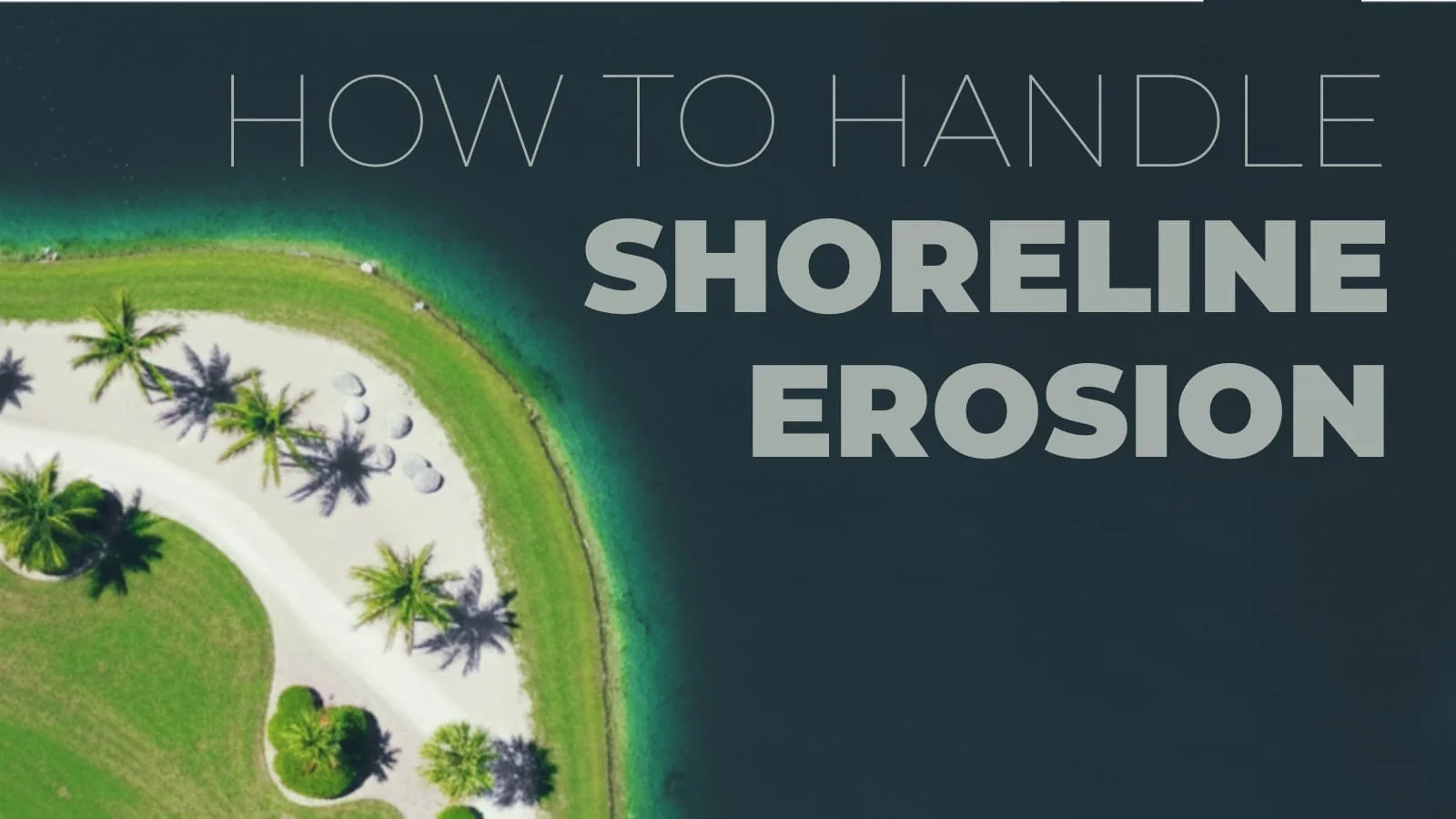
Shoreline Erosion, Water Quality, and Why Plant Choice Matters
If you oversee a homeowners association, manage a golf course, or are responsible for a commercial or industrial property with a lake or retention pond, shoreline erosion is rarely a surprise. It usually begins quietly. Turf grass thins along the water’s edge. After heavy rain, soil washes into the pond. Water that once looked clear begins to appear cloudy. Over time, erosion accelerates maintenance costs, degrades water quality, and creates regulatory and aesthetic concerns that property owners cannot ignore.
Native pond plants are one of the most effective and durable tools available to address these challenges. When properly selected and installed, native plants stabilize shorelines, slow stormwater runoff, improve water quality, and reduce the need for repeated chemical and mechanical interventions. For properties throughout Hillsborough, Pinellas, and Pasco counties, native vegetation is not decorative landscaping. It is functional infrastructure that protects long-term asset value.
This guide explains how to choose the best native pond plants for your pond, with shoreline erosion as the central focus. It is written for HOA boards, golf course management teams, and commercial and industrial property owners who need practical, compliant, and cost-effective solutions that work with Florida’s environment rather than against it.
Why Shoreline Erosion Is a Persistent Problem in Developed Properties
Shoreline erosion occurs when soil along the banks of a pond or lake is displaced faster than it can naturally stabilize. In Florida’s developed landscapes, erosion is intensified by several common conditions:
Concentrated stormwater runoff from roofs, roadways, parking lots, and cart paths
Fluctuating water levels in retention ponds designed for flood control
Wave action created by fountains, aeration systems, and wind exposure
Loss of deep-rooted vegetation due to mowing or poor plant selection
For HOAs and commercial properties, erosion creates more than visual issues. Sediment buildup reduces pond depth, interferes with fountains and aeration, contributes to algae blooms, and can ultimately require costly sediment and muck removal. Golf courses face additional challenges, as eroded banks can affect playability, safety, and course aesthetics.
Native pond plants address erosion at its source by anchoring soil, slowing water movement, and filtering nutrients before they enter the water column.
What Makes a Pond Plant Truly Native to Florida
A native pond plant is one that evolved naturally within Florida’s aquatic and wetland ecosystems. These species are adapted to local rainfall patterns, soil conditions, and seasonal water-level fluctuations. Unlike ornamental or non-native species, native plants develop deep, fibrous root systems that provide long-term shoreline stability.
In the Tampa Bay region, native pond plants fall into four functional categories:
Emergent plants
Submerged plants
Floating-leaf plants
Shoreline buffer and upland transition plants
Each category plays a distinct role in erosion control, water quality improvement, and overall pond health.
Emergent Plants: The Backbone of Shoreline Erosion Control
Emergent plants grow in shallow water with stems and leaves extending above the surface. These plants form the first line of defense against shoreline erosion.
Common Florida-native emergent plants include pickerelweed, duck potato, soft rush, and arrowhead. These species are well-suited to retention ponds, golf course lakes, and residential community ponds because they tolerate fluctuating water levels while maintaining dense root systems.
The roots of emergent plants bind shoreline soils together and absorb wave energy created by fountains, aeration systems, and wind. This is particularly important for properties with fountains and aeration maintenance programs, where constant water movement can otherwise accelerate bank failure.
Professional native plant installation ensures these species are placed at the correct depth and spacing to maximize erosion control without obstructing views or access points.
Submerged Plants: Sediment Stabilization and Water Clarity
Submerged plants grow entirely below the water surface and are often overlooked because they are less visible. However, they play a critical role in sediment stability and water quality.
Native submerged plants help:
Reduce resuspension of bottom sediments
Improve dissolved oxygen levels
Compete with algae for excess nutrients
When combined with water quality testing and restoration, submerged vegetation supports healthier fisheries and reduces long-term algae and aquatic weed control needs. These benefits are especially valuable for golf courses and commercial properties that prioritize clean, visually appealing water features.
Floating-Leaf Plants: Strategic Use for Balance
Floating-leaf plants provide shade and help moderate water temperatures, which can limit algae growth. However, they must be used strategically to avoid interfering with fountains, aeration systems, or recreational uses.
For professionally managed ponds, floating plants are installed in controlled zones identified through lake mapping and restoration development. This ensures ecological benefits without compromising function or appearance.
Shoreline Buffer Zones: The Most Overlooked Solution
One of the most common causes of shoreline erosion is mowing turf grass directly to the water’s edge. Turf grass has shallow roots that offer little resistance to erosion and allow fertilizers and pollutants to flow directly into ponds.
A properly designed native buffer zone:
Slows stormwater runoff
Filters nutrients and pollutants
Reduces shoreline debris accumulation
Enhances visual appeal and habitat value
For HOAs and commercial properties, buffer zones can be designed to maintain sightlines while still delivering erosion control benefits. Shoreline erosion management programs often combine native buffers with targeted debris removal and stabilization techniques.
Choosing Plants Based on Pond Function
Not all ponds serve the same purpose, and plant selection should reflect each pond’s role.
Retention ponds require plants that stabilize slopes and tolerate fluctuating water levels. Golf course ponds must balance erosion control with playability and maintenance access. Commercial and industrial ponds often require durable solutions that minimize disruption and long-term costs.
Lake mapping helps identify depth contours, flow patterns, and sediment accumulation areas so plant selection aligns with real site conditions rather than assumptions.
Invasive Species: A Major Obstacle to Successful Planting
Invasive species frequently undermine erosion control efforts. Many invasive plants have shallow roots or aggressive growth patterns that destabilize shorelines when they die back or are removed.
Effective invasive species control is essential before native plant installation. Without proper removal and follow-up management, new plantings struggle to establish and erosion problems persist.
Maintenance, Monitoring, and Annual Management Programs
Native pond plants require oversight, particularly during the first year of establishment. Annual management programs typically include:
Monitoring plant survival and coverage
Selective weed control spraying
Shoreline debris removal
Water quality testing and restoration
These services protect the investment in native plants and prevent minor issues from becoming major restoration projects.
The Long-Term Value of Native Pond Plants
When properly selected and maintained, native pond plants reduce erosion, improve water quality, and lower long-term maintenance costs. They also support fisheries sustainability restoration and enhance the overall appearance of ponds and lakes.
For HOAs, golf courses, and commercial properties across Hillsborough, Pinellas, and Pasco counties, native plants represent a sustainable solution that aligns environmental responsibility with operational efficiency.
-
Sources
University of Florida IFAS Extension. Aquatic Plants in Florida Lakes and Ponds.
Florida Department of Environmental Protection. Shoreline Stabilization and Habitat Enhancement.
United States Geological Survey. Shoreline Vegetation and Sediment Stability.